In electric motor manufacturing, wire connections are often viewed as a small step in a much larger process. Once the winding is complete, the focus quickly shifts to insertion, impregnation, and final assembly. But as motors become more compact, more powerful, and more automated, the way motor leads are connected plays a critical role in performance, reliability, and long-term cost.
A common challenge is that connection methods are not always evaluated on equal footing. Terms like crimping, brazing, welding, and fusing are often used interchangeably, even though these processes differ significantly in how they are performed and the results they deliver. Without a clear understanding of these differences, it becomes difficult to objectively evaluate lead connection equipment for modern electric motor production.
This guide explores the most common motor lead connection methods, explains how wire fusing works, and highlights why fusing technologies are increasingly used in high-volume and high-reliability applications.
The Challenge With Motor Lead Connections
Motor lead connections must do more than simply hold wires together. They must provide consistent electrical conductivity, withstand thermal cycling, resist vibration, and maintain integrity over the life of the motor. At the same time, manufacturers are under pressure to reduce labor, increase automation, and improve repeatability.
Despite these demands, connection methods are often chosen based on existing processes rather than measured performance. Factors such as historical use, internal standards, or perceived simplicity can outweigh considerations like electrical efficiency, long-term reliability, and scalability. As a result, legacy connection approaches may remain in place even when newer technologies offer clearer advantages.
Traditional Wire Connection Methods and Their Limitations
Mechanical Crimping
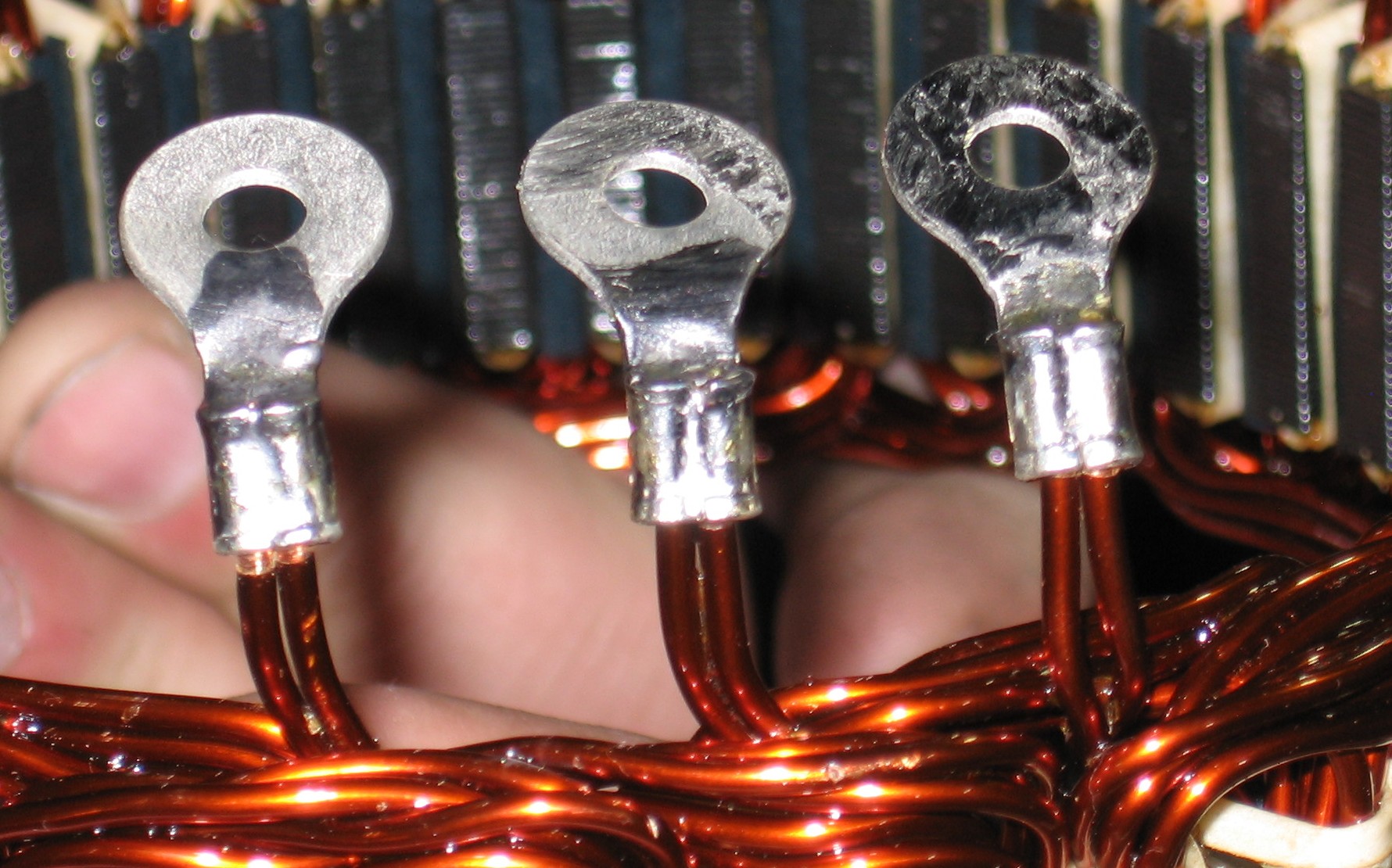
Mechanical crimping is widely used due to its simplicity, but it introduces variability. Crimp quality depends heavily on proper wire stripping, tooling condition, and operator technique. Over-crimping can damage conductors, while under-crimping can lead to high resistance or connection failure. Crimping also requires additional components such as terminals, increasing material cost and inventory complexity.
Brazing and Soldering
Brazing and soldering create metallurgical bonds, but they require precise heat control and operator skill. Excessive heat can damage insulation or nearby components, while inconsistent heat application can result in weak joints. These processes also introduce additional materials, such as solder or flux, and often require post-process cleaning.
Insulation Displacement Connections
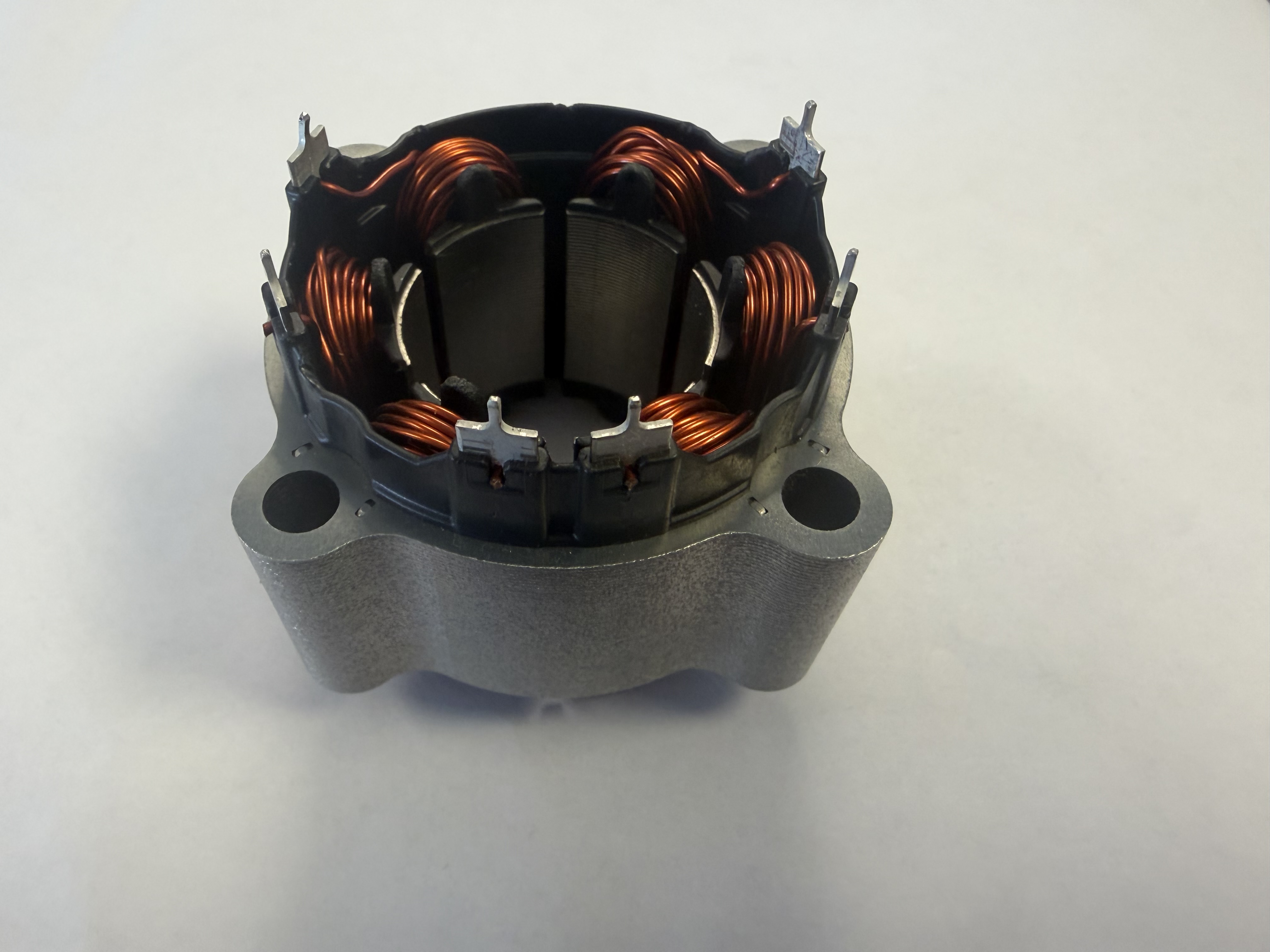
Insulation displacement connections eliminate stripping but typically provide limited contact area. While effective for certain low-current applications, they may not deliver the electrical performance or durability required for higher-power motors.
Each of these methods can work, but they all introduce trade-offs in consistency, scalability, and long-term reliability.
What Is Wire Fusing?
Wire fusing is a solid-state bonding process that uses controlled heat and pressure to create a permanent electrical connection between magnet wire and lead material. Unlike brazing or soldering, fusing does not rely on melting filler metals to create the joint. Instead, the process removes enamel, cleans the contact area, and forms a low-resistance bond through diffusion and compression.
Because wire fusing eliminates the need for stripping and separate connectors, it simplifies the connection process while improving consistency. Modern fusing systems are designed for automation and process monitoring, making them well-suited for high-volume electric motor production.
Common Motor Lead Fusing Methods and Applications
Fuse-A-Wire Technology
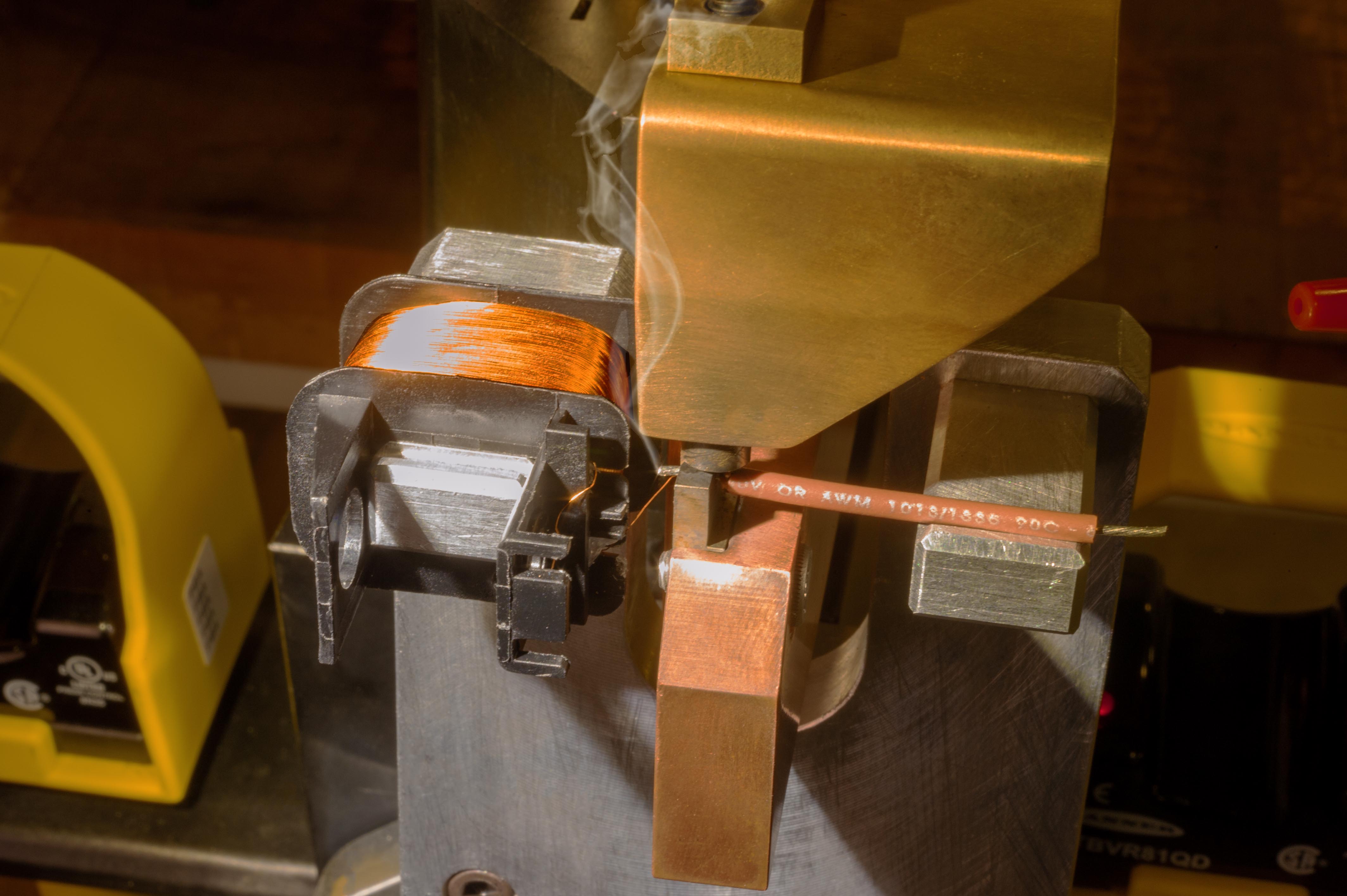
Fuse-A-Wire technology creates a direct connection between magnet wire and a tinned lead wire without the use of splice connectors. The heat generated during the process burns off the enamel while forming a strong electrical bond. This approach reduces material costs and minimizes process steps, making it an efficient option for many motor designs.
Tube Fusing Technology
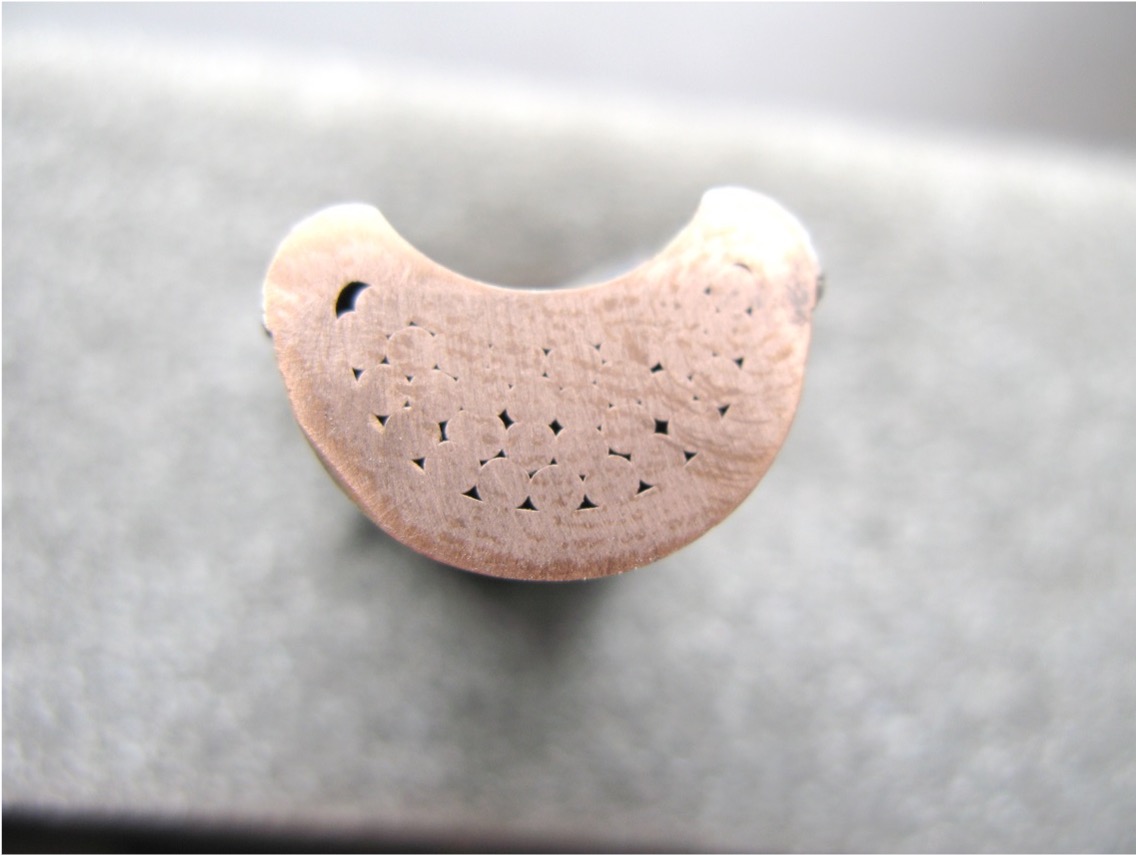
Tube fusing is commonly used for applications involving large bundles of parallel wires or higher current requirements. A tinned tube surrounds the wire bundle, and controlled heat and pressure create a robust, low-resistance connection. This method is especially effective for industrial motors and large alternator leads.

Resistance-Based and Hot Shoe Fusing
These methods are used for wrapped wire configurations and formed lead connections. They provide consistent results across a wide range of wire sizes and materials, including copper, aluminum, and Litz wire.
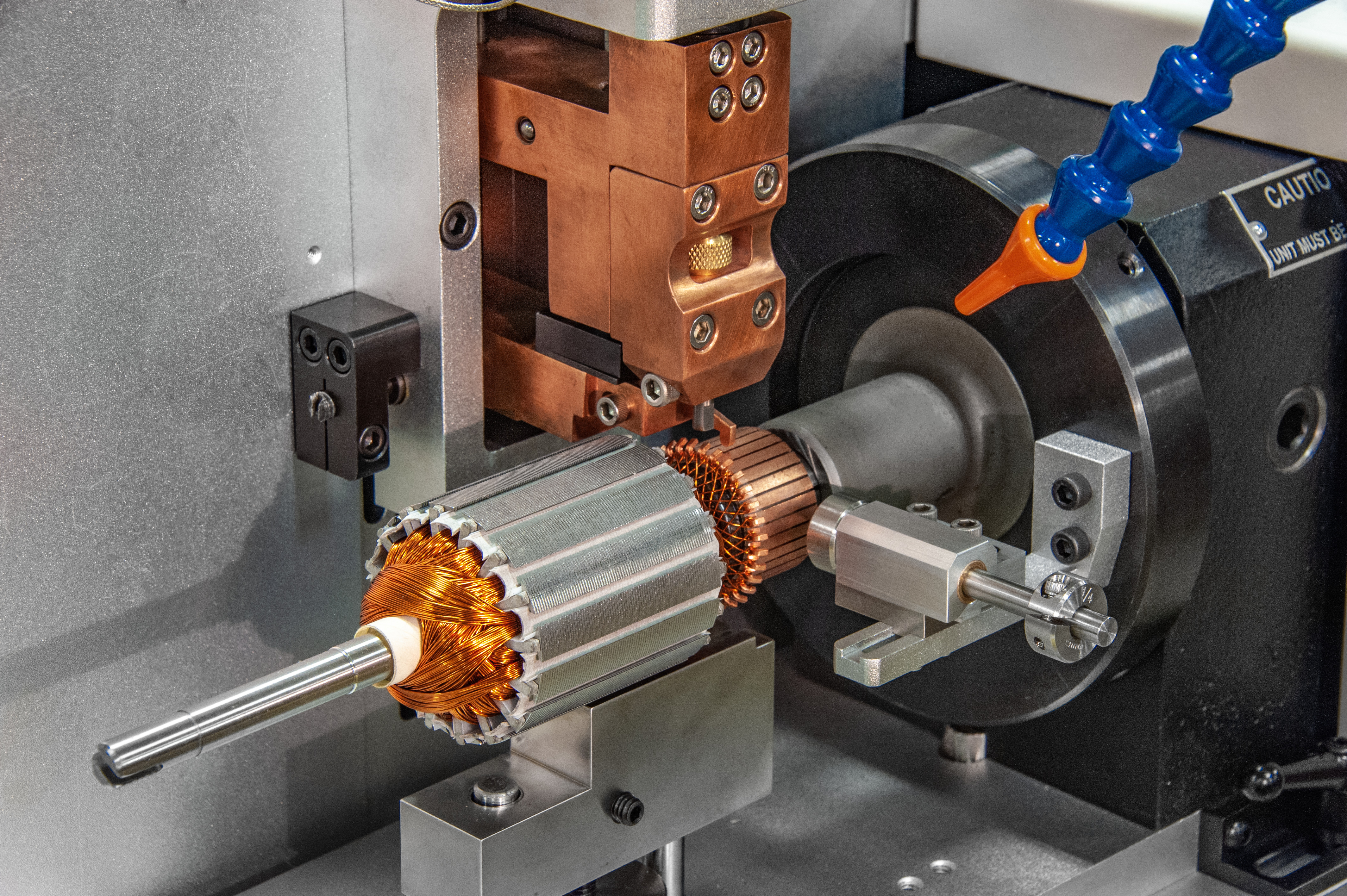
Armature and Commutator Fusing
In DC and universal motor applications, precise control is required to avoid overheating commutator bars. Advanced fusing systems use thermal monitoring and closed-loop controls to ensure reliable connections without distortion or damage.
Why Tin Fusing Has Become a Preferred Option
Tin fusing has gained widespread adoption because it addresses many of the limitations found in traditional connection methods. By combining controlled heating with consistent pressure, tin fusing produces repeatable connections with low electrical resistance.
Additional benefits include reduced labor, elimination of stripping operations, improved process tracking through SPC data, and lower environmental impact due to reduced consumables. For manufacturers focused on quality, efficiency, and scalability, tin fusing offers measurable advantages.
Choosing the Right Connection Method for Your Application
Selecting the best lead connection method depends on several factors:
- Wire size and material
- Number of parallel conductors
- Required current capacity
- Production volume and automation level
- Reliability and lifecycle expectations
There is no single solution that fits every application. However, understanding the strengths and limitations of each method allows manufacturers to make informed decisions that align with their production goals.
Better Understanding Leads to Better Decisions
Motor lead connections are no longer a minor detail in electric motor manufacturing. As designs evolve and production demands increase, the connection process plays a larger role in overall motor performance and cost efficiency.
By understanding how different fusing methods compare to traditional approaches, manufacturers can move beyond terminology differences and focus on solutions that deliver consistent, high-quality results. Education is the first step toward optimizing lead connection processes and building better motors.